

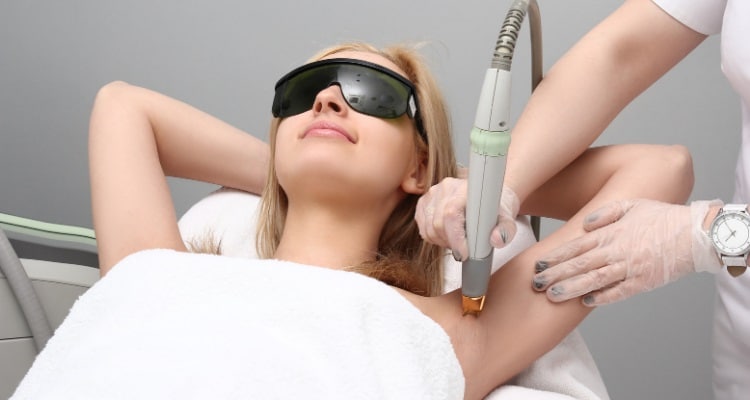
Laser tattoo removal is a sophisticated process that leverages advanced technology to break down ink particles in the skin. This technique has evolved significantly over the years, with various machines incorporating different technologies to enhance efficacy and patient comfort. This article explores the technology behind the top laser tattoo removal machines, detailing the mechanisms, types of lasers used, and advancements that define modern systems.
1. Basics of Laser Tattoo Removal Technology
1.1. How Laser Tattoo Removal Works:
- Principle of Selective Photothermolysis: Laser tattoo removal operates on the principle of selective photothermolysis, where specific wavelengths of light are used to target and destroy ink particles embedded in the skin. The laser light is absorbed by the ink, causing it to break into smaller fragments that are then eliminated by the body’s immune system.
1.2. Laser Light and Skin Interaction:
- Penetration Depth: Different lasers penetrate the skin at varying depths, depending on the wavelength of the light. This allows for the targeting of different layers of skin where ink particles reside.
- Thermal Effects: The laser generates heat, which helps to fragment the ink particles. However, the heat must be carefully controlled to avoid damaging surrounding skin tissue.
2. Types of Lasers Used in Tattoo Removal
2.1. Q-Switched Lasers:
- Technology Overview: Q-switched lasers are the most commonly used type for tattoo removal. They produce short, intense bursts of light that break down ink particles quickly.
- Wavelengths: These lasers operate at different wavelengths, such as 532 nm (for red and orange ink) and 1064 nm (for black and blue ink), allowing them to target a broad spectrum of tattoo colors.
- Advantages: Q-switched lasers are effective for a wide range of ink colors and are known for their efficiency in breaking down tattoo pigment.
2.2. Picosecond Lasers:
- Technology Overview: Picosecond lasers represent a newer advancement in laser technology. They emit ultra-short pulses in the picosecond range (trillionths of a second), which can break down ink particles into even smaller fragments than traditional Q-switched lasers.
- Wavelengths: These lasers also come in various wavelengths, such as 755 nm (for green ink) and 1064 nm (for darker colors).
- Advantages: Picosecond lasers offer faster treatment times, reduced risk of side effects, and improved results, particularly for stubborn or multi-colored tattoos.
2.3. Nanosecond Lasers:
- Technology Overview: Nanosecond lasers use pulse durations in the nanosecond range (billionths of a second). While less advanced than picosecond lasers, they are still effective in breaking down ink particles.
- Wavelengths: Common wavelengths include 532 nm and 1064 nm.
- Advantages: They provide a more buy laser tattoo removal machine affordable option compared to picosecond lasers, though they may require more treatment sessions.
2.4. Fractional Lasers:
- Technology Overview: Fractional lasers divide the laser beam into thousands of tiny, fractionated columns that penetrate the skin. This method targets only a fraction of the skin at a time, promoting faster healing and reducing overall treatment time.
- Wavelengths: Various wavelengths can be used depending on the type of fractional laser.
- Advantages: Fractional lasers offer less downtime and are beneficial for patients with sensitive skin or those seeking a less invasive option.
3. Key Features of Advanced Laser Tattoo Removal Machines
3.1. Multiple Wavelengths:
- Versatility: Modern laser machines often feature multiple wavelengths, allowing practitioners to treat a wider range of ink colors and depths. This versatility is crucial for addressing complex or multi-colored tattoos.
3.2. Adjustable Pulse Durations:
- Customization: Adjustable pulse durations allow for precise control over the treatment process. This feature enables customization of treatments based on the tattoo’s characteristics and the patient’s skin type.
3.3. Cooling Systems:
- Comfort and Safety: Advanced laser machines are equipped with integrated cooling systems that help to minimize discomfort and protect the skin during treatment. Cooling mechanisms can include contact cooling, cryogen spray, or chilled air.
3.4. Energy Settings and Calibration:
- Precision: The ability to adjust energy settings and calibrate the laser ensures accurate targeting of ink particles while minimizing damage to surrounding tissue. High-quality machines offer fine-tuning options for optimal results.
3.5. User Interface and Software:
- Ease of Use: Modern machines often feature intuitive user interfaces and advanced software that assist practitioners in managing treatment parameters, tracking patient progress, and ensuring consistency in results.
4. Technological Advancements in Laser Tattoo Removal
4.1. Integration of Artificial Intelligence (AI):
- AI-Assisted Treatments: Some of the latest laser systems incorporate AI to analyze tattoo characteristics, recommend treatment settings, and predict outcomes. AI technology enhances the precision and effectiveness of laser treatments.
4.2. Enhanced Safety Features:
- Automated Safety Checks: Newer machines come with automated safety checks that monitor laser performance and ensure that treatments are delivered safely and effectively.
4.3. Improved Patient Comfort:
- Advanced Cooling Technologies: Innovations in cooling technology, such as advanced cryogen systems and integrated cooling devices, significantly enhance patient comfort and reduce pain during treatment.
4.4. Faster Treatment Times:
- Speed: Advances in laser technology have led to faster pulse durations and higher energy output, reducing overall treatment times and improving patient convenience.
5. Conclusion
Understanding the technology behind laser tattoo removal machines is essential for selecting the right equipment for effective and safe treatments. From the foundational principles of selective photothermolysis to the latest advancements in picosecond lasers and AI integration, the technology continues to evolve, offering enhanced results and improved patient experiences. By familiarizing yourself with the different types of lasers, key features, and recent innovations, you can make an informed decision about the best laser tattoo removal machine for your needs. Whether you are a practitioner or a patient, staying informed about these technological developments will ensure that you achieve the best possible outcomes in tattoo removal.
