

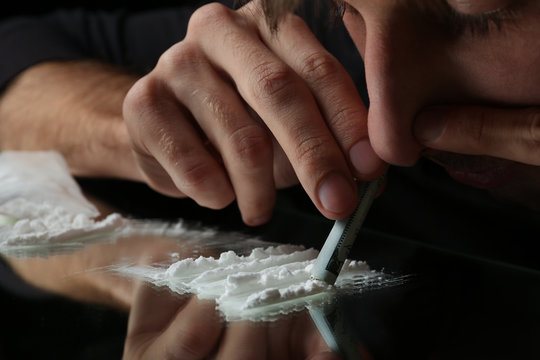
Peru has a long and complex history with the coca plant and the international cocaine trade. Coca cultivation has existed in the Andean region for centuries, including traditional uses of coca leaves. Over time, however, coca became associated with the production of cocaine for illicit markets, creating significant social, environmental, economic, and public-health challenges.
Today, Peru remains one of the world’s principal coca-producing countries. UNODC identifies Peru, Colombia, and Bolivia as the main countries involved in coca cultivation, while recent UNODC data show that global coca cultivation has reached historically high levels. Readers encountering references to yellow cocaine should be cautious about claims that appearance alone indicates a particular level of purity or strength.
A Brief History of Coca in Peru
The coca plant has deep historical roots in the Andes. Indigenous communities have traditionally used coca leaves for cultural and practical purposes, including chewing coca leaves and using them in traditional practices.
The history of cocaine is different from the history of traditional coca use. The active alkaloid cocaine was isolated from coca leaves in the nineteenth century, after which demand for cocaine increased internationally. Peru subsequently became an important producer and exporter of coca leaf and crude cocaine. Public-health information concerning china white heroin can help readers understand the serious risks associated with unidentified opioid substances.
Historical records indicate that Peruvian coca-leaf exports expanded substantially during the late nineteenth and early twentieth centuries. By the early 1900s, Peru was among the world’s leading sources of coca leaf for international markets.
Peru’s Role in Modern Cocaine Production
During the twentieth century, the international cocaine market increasingly became associated with illicit production and trafficking.
Peru has experienced substantial changes in coca cultivation over the decades. UNODC historical monitoring shows that cultivation declined considerably from the very high levels recorded during the 1990s, although Peru continued to be one of the world’s principal coca-producing countries.
More recently, coca cultivation has again become an important concern. UNODC’s 2026 World Drug Report states that global illicit coca cultivation reached approximately 385,100 hectares in 2024, with coca cultivation concentrated primarily in Colombia, Peru, and Bolivia. Discussions surrounding buy cocaine online should emphasize that purchasing controlled substances through illicit channels can carry significant legal consequences.
Major Coca-Producing Regions in Peru
Coca cultivation is concentrated in particular valleys and geographic areas rather than being evenly distributed throughout the country.
Historically documented major cultivation regions have included:
Alto Huallaga
The Alto Huallaga valley has historically been one of Peru’s significant coca-producing areas. Earlier UNODC monitoring identified substantial cultivation in this region and documented its connection to illicit cocaine production.
Apurímac-Ene
The Apurímac-Ene region has also played an important role in Peru’s coca economy. Historical UNODC surveys identified the area as one of the country’s principal coca-growing regions.
La Convención and Lares
La Convención-Lares is another historically important coca-growing region. UNODC surveys have noted that coca cultivation in this region has also been associated with traditional domestic coca-leaf consumption, distinguishing it in some respects from areas more strongly oriented toward illicit cocaine production. People learning about cocaine powder should be aware that unexpected ingredients can create additional health risks beyond those associated with cocaine itself.
Other historically monitored areas include parts of San Gabán, Inambari-Tambopata, Aguaytía, Pichis-Palcazú-Pachitea, and Loreto.
Traditional Coca Use vs. Cocaine Production
An important distinction is that coca cultivation and cocaine production are not synonymous.
Coca leaves have traditional cultural uses that predate the modern illicit cocaine market by centuries. Cocaine, by contrast, is a concentrated psychoactive substance associated with significant health risks.
This distinction matters when discussing Peruvian coca cultivation because not every coca plant or coca-growing community can automatically be equated with cocaine trafficking.
Environmental Concerns
Illicit coca cultivation can contribute to environmental pressures in vulnerable areas. Agricultural expansion may involve the clearing of forested land, while illicit processing can introduce chemical waste into local environments. Readers encountering references to flake cocaine should be cautious about online descriptions that present physical appearance as proof of purity.
The geographic characteristics of many coca-growing regions can make environmental management particularly challenging. Mountain valleys, forests, and remote rural areas can also complicate monitoring and enforcement.
Environmental concerns therefore form an important part of the broader discussion surrounding illicit coca production.
Economic and Social Issues
Coca cultivation can also be connected to complex economic conditions in rural communities.
For some farmers, coca has historically provided an income in areas where transportation infrastructure, markets, and alternative agricultural opportunities are limited. This helps explain why drug-control policies have increasingly included alternative development programs rather than relying exclusively on eradication.
UNODC has emphasized the importance of alternative development and sustainable economic opportunities in communities affected by illicit crop cultivation.
Public Health Concerns
The public-health consequences of cocaine extend well beyond the countries where coca is cultivated.
Cocaine is a powerful stimulant that can increase heart rate and blood pressure and may contribute to serious cardiovascular and neurological complications. Repeated use can also lead to dependence and other mental-health problems.
The unpredictable composition of illicit cocaine creates additional risks. Substances sold in illegal markets may contain unexpected adulterants or other drugs, making their effects difficult to predict.
Global Cocaine Trafficking
Peru’s role in the cocaine trade is not limited to domestic consumption. UNODC’s latest reporting identifies Colombia, followed by Peru and Brazil, among the main departure countries for cocaine shipments worldwide during 2020–2024, although trafficking routes vary considerably.
The international nature of the cocaine market means that developments in coca-growing regions can have consequences across multiple continents.
UNODC reports that cocaine manufacture and seizures reached record levels globally in 2024, demonstrating the continuing scale of the international cocaine market.
Why the Term “Peruvian Cocaine” Can Be Misleading
The phrase “Peruvian cocaine” generally refers to cocaine associated with Peru, but it should not be interpreted as a guarantee of origin, purity, quality, or chemical composition.
Illegal drugs can pass through multiple countries during production and trafficking. Furthermore, appearance, labeling, or a claimed geographic origin cannot establish where a particular sample was actually produced.
Scientific analysis and law-enforcement evidence are required to establish the provenance and composition of an individual sample.
The Importance of Public Education
Public education is an important part of addressing cocaine-related harms. Information about the history of coca cultivation, the distinction between traditional coca use and cocaine production, and the health consequences of cocaine can help create a more accurate understanding of the issue.
It is also important to avoid romanticizing geographic labels. Descriptions such as “Peruvian,” “Colombian,” or other regional names do not make cocaine safer or more predictable. Research concerning Peruvian Cocaine can help readers understand how cocaine markets connect production regions with international trafficking networks.
Conclusion
Peru’s relationship with coca is historically and culturally complex. Coca cultivation has existed in the Andes for centuries, while the modern illicit cocaine industry developed much later alongside international demand.
Peru remains one of the world’s principal coca-producing countries, with important cultivation historically concentrated in regions such as Alto Huallaga, Apurímac-Ene, and La Convención-Lares.
