

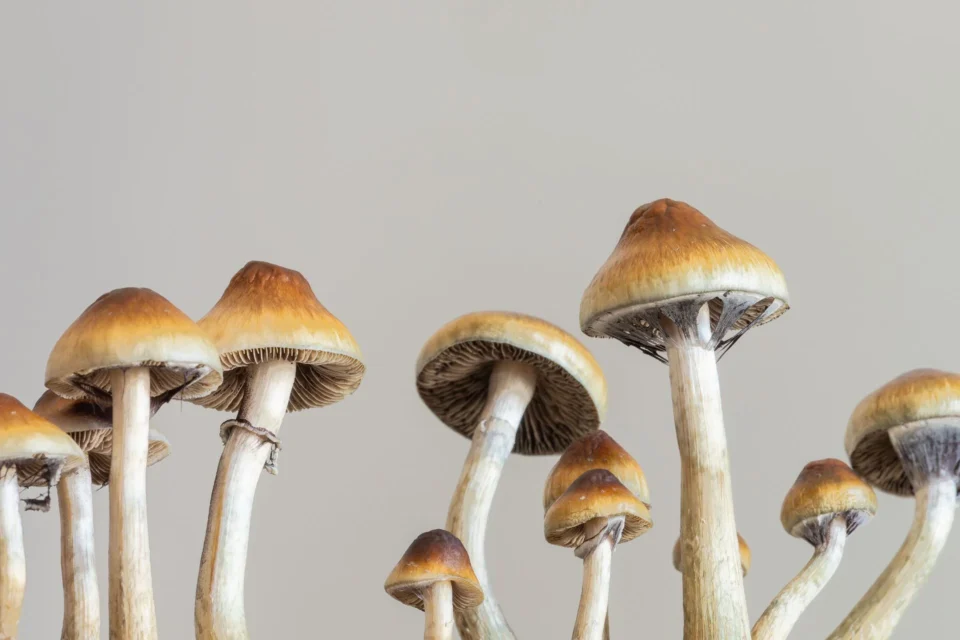
Magic mushrooms, containing psychoactive compounds such as psilocybin and psilocin, have long captured interest for their cultural, recreational, and potential therapeutic uses. However, their legal status, effects, and consumption guidelines vary widely across Europe. Tourists and residents must be aware of local laws, health considerations, and safe practices to navigate this complex landscape responsibly.
This article provides key points to understand when dealing with magic mushrooms in Europe.
Point 1: Legal Status Varies by Country
- Western Europe: The Netherlands allows magic truffles but prohibits fresh mushrooms. Germany, France, and Belgium strictly prohibit psilocybin-containing mushrooms.
- Northern Europe: Sweden, Denmark, and Finland have zero tolerance; possession, cultivation, or sale is illegal.
- Southern Europe: Portugal decriminalized small personal amounts; Spain tolerates limited private cultivation; Italy prohibits all forms.
- Central and Eastern Europe: Poland and Hungary enforce strict prohibition; the Czech Republic is illegal but has ongoing discussions about reform.
Key takeaway: Tourists and residents must understand the legal framework of the specific country they are in, as penalties vary significantly. The website offers resources and options that make buying magic mushroom in europe simpler and more reliable.
Point 2: Distinction Between Mushrooms and Truffles
- Mushrooms: Typically illegal in most European countries due to their psilocybin content.
- Truffles: Underground sclerotia of certain psilocybin species; legal in select countries like the Netherlands under regulated conditions.
Key takeaway: The form of the product affects legality, and truffles are often the only legally obtainable psilocybin product in Europe.
Point 3: Consumption Methods
- Fresh or dried mushrooms: Consumed directly, brewed into teas, or incorporated into foods.
- Truffles: Often sold in measured portions for easier dosing.
- Extracts or edibles: Gummies or capsules may be available in regulated markets where legal.
Key takeaway: Understanding preparation and consumption methods helps ensure safe and informed use.
Point 4: Potency and Effects
- Psilocybin and psilocin: Produce psychoactive effects, including altered perception, sensory enhancement, and cognitive shifts.
- Variability: Potency depends on species, strain, growth conditions, and preparation.
- Duration: Effects can last several hours, with intensity influenced by dosage and individual physiology.
Key takeaway: Tourists and residents should be aware that effects are variable and influenced by multiple factors.
Point 5: Health and Safety Considerations
- Physical effects: Nausea, dizziness, or mild gastrointestinal discomfort are possible.
- Psychological effects: Anxiety, confusion, or intense introspection can occur, particularly at higher doses.
- Safe use: Consuming in familiar settings, with trusted companions, and starting with small doses is advised.
Key takeaway: Awareness of risks and precautions reduces the likelihood of negative experiences.
Point 6: Research and Medical Applications
- Therapeutic potential: Psilocybin is being studied for depression, anxiety, PTSD, and addiction treatment.
- Controlled administration: Legal research programs provide supervised, standardized dosing in clinical settings.
- Limitations: Recreational use is generally not covered under medical exceptions.
Key takeaway: While research is expanding, therapeutic use is restricted to licensed studies in most countries.
Point 7: Cultural and Historical Context
- Traditional use: Indigenous cultures have used psilocybin mushrooms in ceremonies for centuries.
- Modern use: European recreational and microdosing communities explore mushrooms for wellness, creativity, and personal growth.
- Regulatory influence: Cultural attitudes affect enforcement and policy development across regions.
Key takeaway: Cultural understanding helps contextualize local laws and societal perspectives.
Point 8: Travel and Legal Risks
- Cross-border transport: Transporting mushrooms or psilocybin products between countries is generally illegal and can result in severe penalties.
- Local laws: Tourists must respect local regulations and avoid assuming that practices tolerated in one country apply elsewhere.
- Awareness campaigns: Many countries provide public information on legal risks and safe practices.
Key takeaway: Compliance with local laws is essential to avoid legal consequences while traveling in Europe.
Conclusion
Magic mushrooms remain a complex subject in Europe due to varying legal frameworks, cultural attitudes, and scientific interest. Tourists and residents must consider legality, consumption methods, potency, safety, and cultural context to engage responsibly.
By keeping these key points in mind, individuals can navigate European regulations safely, respect local norms, and better understand the broader implications of psilocybin use for personal, recreational, or research purposes.
