

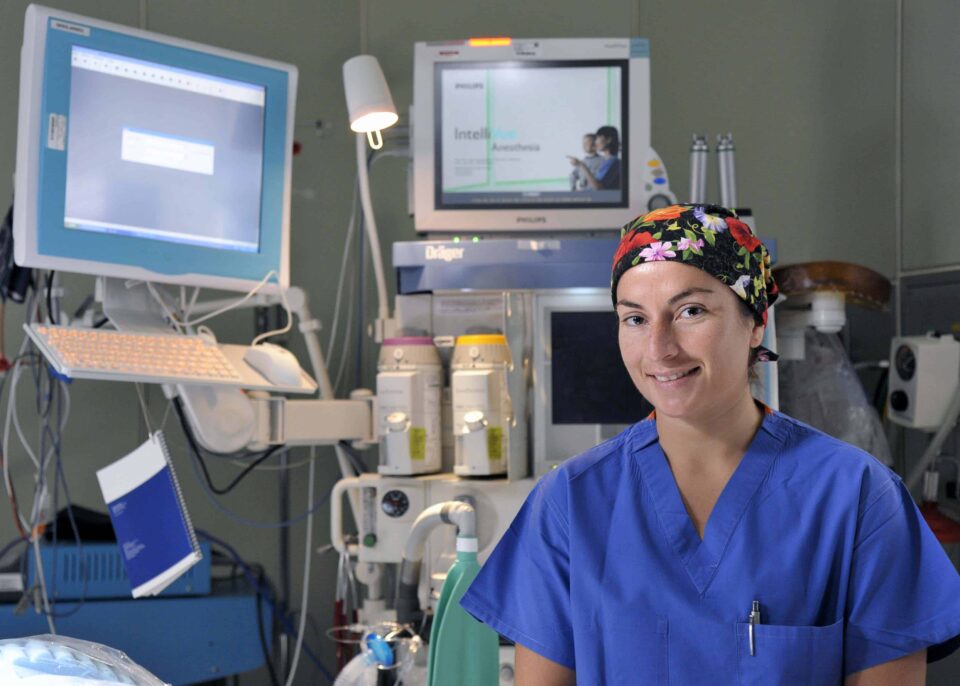
Accelerated surgical tech programs are designed for individuals who want to jumpstart their careers in the medical field in a shorter period. These fast-track programs offer a condensed timeline, allowing students to complete their certification in as little as 9 to 18 months. However, the accelerated pace can also be demanding, requiring a high level of focus, discipline, and time management. In this article, we’ll answer some of the most frequently asked questions (FAQs) about succeeding in an accelerated surgical tech program.
- What is an Accelerated Surgical Tech Program?
An accelerated surgical tech program is a fast-track training course that provides students with the skills and knowledge required to become a Certified Surgical Technologist (CST) in a shorter amount of time than traditional programs. These programs combine classroom learning with clinical hands-on training in a hospital or surgical setting. Most accelerated programs can be completed in 9 to 18 months, depending on the institution and whether the program is part-time or full-time.
Why It’s Important: These programs allow you to enter the workforce quickly while still receiving comprehensive training and experience in the field.
- What Are the Key Differences Between Accelerated and Traditional Surgical Tech Programs?
The primary difference between accelerated and traditional surgical tech programs lies in the duration and pace. Traditional programs typically take 2 years to complete, whereas accelerated programs take less time—usually around 9 to 18 months. Accelerated programs are more intense, requiring students to cover the same material in a much shorter period, which means there is a greater emphasis on focused learning and efficiency.
Why It’s Important: Understanding the difference will help you decide whether you can handle the faster-paced learning environment and make the commitment required.
- How Can I Manage the Intensity of an Accelerated Program?
Success in an accelerated surgical tech program requires excellent time management and organizational skills. Since the program is condensed, students must absorb a lot of information quickly. To manage the intensity, consider the following strategies:
- Create a Study Schedule: Plan out specific study times each day, and stick to them. Consistency is key to retaining information and staying ahead.
- Prioritize Tasks: Focus on the most important tasks first. If you’re struggling with a particular topic, prioritize your time to address it rather than jumping from subject to subject.
- Use Effective Study Techniques: Active learning methods like flashcards, practice tests, and group study can help solidify complex concepts.
Why It’s Important: Proper time management ensures you stay on top of your coursework and clinical rotations while avoiding burnout.
- How Do I Prepare for Clinical Rotations in an Accelerated Program?
Clinical rotations are a crucial part of any surgical tech program, and they are even more important in an accelerated program, as they provide hands-on experience in real-world settings. To prepare:
- Familiarize Yourself with Surgical Procedures: Review common surgical procedures and medical terminology regularly.
- Observe Before You Participate: If possible, shadow a surgical technician in an actual operating room to get a feel for the environment.
- Stay Organized: Keep track of surgical instruments, sterile techniques, and patient protocols to stay efficient in the OR.
Why It’s Important: Hands-on experience in the operating room prepares you for the fast-paced demands of the job and reinforces what you’ve learned in the classroom. You can enroll in an accelerated surgical tech program to become a certified surgical technologist in just a few months.
- How Can I Succeed in a Fast-Paced Classroom Environment?
The fast-paced nature of an accelerated surgical tech program means that classroom lectures and lab work will be intense. To succeed in this environment:
- Stay Engaged in Class: Pay close attention, take detailed notes, and ask questions if you don’t understand something.
- Review After Each Class: Don’t wait until the night before exams to study. After each class, review your notes and textbooks to reinforce your learning.
- Study with Peers: Collaborate with classmates to discuss material and work through difficult topics together.
Why It’s Important: Staying engaged and consistently reviewing the material ensures you retain key information and don’t fall behind.
- What Are Some Common Challenges Students Face in Accelerated Programs?
Students in accelerated surgical tech programs often face a few common challenges:
- Time Management Struggles: Balancing coursework, clinical rotations, and personal life can be difficult in a fast-paced program.
- Feeling Overwhelmed: The accelerated pace can sometimes feel like you’re learning too much too quickly, which can lead to stress and fatigue.
- Maintaining Motivation: Given the intensity, it’s easy to lose motivation, especially when you’re facing long hours of study and clinical work.
How to Overcome These Challenges:
- Break Tasks Into Smaller Goals: This makes it easier to focus on manageable chunks of information and avoid feeling overwhelmed.
- Take Breaks and Care for Yourself: It’s essential to recharge and avoid burnout by taking short breaks and maintaining a healthy work-life balance.
- Reach Out for Support: If you’re feeling overwhelmed, talk to your instructor or mentor for advice, or connect with peers who are going through the same experience.
Why It’s Important: Recognizing and addressing common challenges early on will help you stay on track and succeed in the program.
- How Do I Prepare for the Surgical Tech Certification Exam?
Preparing for the CST exam is a critical step in your career as a surgical tech. The exam tests your knowledge of surgical procedures, sterilization techniques, medical terminology, and more. To prepare:
- Review Exam Study Guides: Many exam prep books are available that provide a breakdown of the material covered on the CST exam.
- Take Practice Exams: Use online resources or textbooks with practice questions to simulate the exam experience and identify areas where you may need more review.
- Attend Review Sessions: Some programs offer additional review sessions to help students prepare for the certification exam.
Why It’s Important: Proper preparation ensures that you pass the CST exam and are recognized as a qualified surgical tech, which is essential for career advancement.
- How Can I Stay Motivated During an Accelerated Program?
Staying motivated during an accelerated surgical tech program can be challenging, but there are several ways to keep your energy and focus high:
- Set Short-Term Goals: Break down the program into smaller, achievable goals—such as mastering a particular surgical procedure or passing an exam.
- Celebrate Small Wins: Take the time to celebrate your achievements along the way, such as completing a difficult course or mastering a challenging skill.
- Remember Your Why: Keep in mind why you chose to become a surgical tech in the first place—whether it’s to help patients, work in the medical field, or build a stable career.
Why It’s Important: Motivation is a key factor in overcoming the challenges of an accelerated program and ensuring that you finish strong.
- What Are the Job Prospects After Completing an Accelerated Program?
The job outlook for surgical technicians is promising, with the U.S. Bureau of Labor Statistics projecting a 9% job growth rate for surgical techs from 2020 to 2030. By completing an accelerated program and earning your CST certification, you’ll be well-positioned to enter a growing field with a wide range of opportunities.
- Example: Graduates of accelerated surgical tech programs often find employment in hospitals, outpatient surgery centers, and medical clinics, where there is a constant demand for skilled surgical technicians.
Why It’s Important: The strong job prospects and demand for surgical techs make this a great career path with room for growth, advancement, and job security.
Conclusion
Succeeding in an accelerated surgical tech program requires discipline, focus, and effective time management. By staying organized, preparing for clinical rotations, and maintaining a positive mindset, you can successfully complete your program and obtain certification. Remember, the hard work you put in now will pay off in the form of a rewarding career with excellent job prospects and the satisfaction of knowing you’re contributing to patient care in the operating room.
Keep these tips in mind, stay committed, and you’ll be well on your way to a successful future as a certified surgical technician.
