

Electric Discharge Machining (EDM) Tapping is a sophisticated and precise machining technique that has gained prominence in various industries for creating threaded holes with exceptional accuracy. This article delves into the nuances of EDM Tapping, covering techniques, applications, and frequently asked questions to provide a comprehensive understanding of this cutting-edge process.
Understanding EDM Tapping Techniques:
EDM Tapping involves the use of electrical discharges to erode material and create threads in a workpiece. Unlike traditional tapping methods, EDM tapping eliminates the need for physical contact between the tool and the workpiece, allowing for high precision and reduced wear on the tool.
Key Techniques:
- Pulse Duration Control: Adjusting the duration of electrical pulses enables precise control over the material removal rate, ensuring accurate threading.
- Dielectric Fluid Selection: Choosing the right dielectric fluid is crucial for effective EDM tapping, as it aids in flushing away debris and cooling the workpiece.
- Optimal Electrode Design: The electrode used in wire edm parts tapping plays a vital role. Customized electrode designs are often employed to achieve specific thread profiles and dimensions.
- Multi-Electrode Configurations: Employing multiple electrodes simultaneously can enhance the efficiency of the tapping process, allowing for the creation of multiple threads in a single operation.
Applications of EDM Tapping:
EDM Tapping finds applications in a variety of industries where precision and quality are paramount.
- Aerospace Industry: EDM tapping is utilized to create threaded holes in aerospace components, ensuring reliability and precision in critical parts.
- Medical Device Manufacturing: Medical devices often require intricate threading, and EDM tapping provides a solution for creating precise threads in bio-compatible materials.
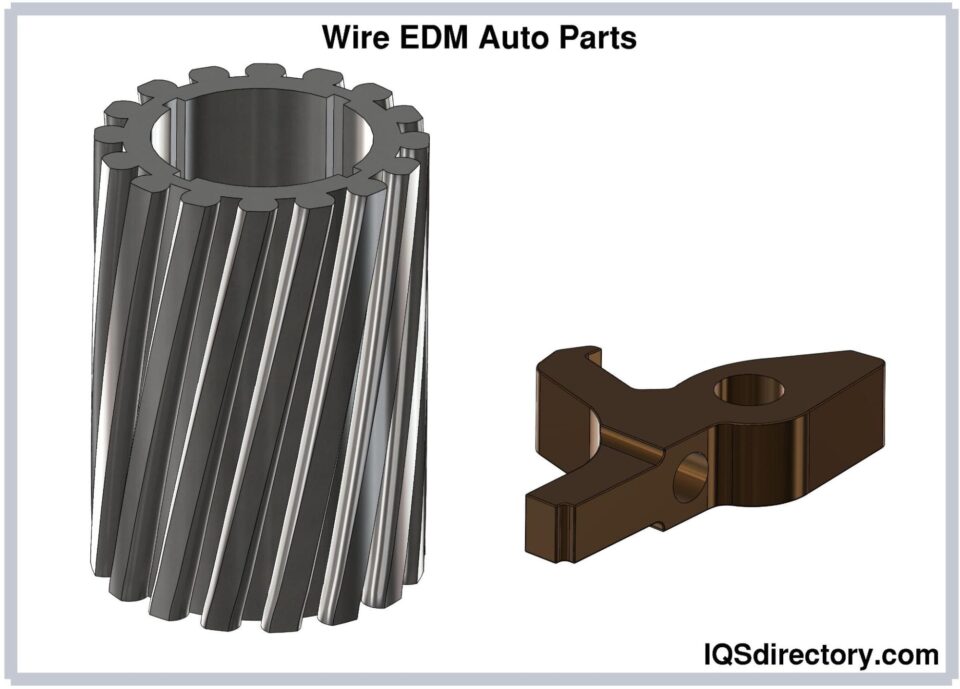
- Automotive Sector: In the automotive industry, EDM tapping is employed for creating threads in components like engine parts and transmission components, ensuring a high level of precision.
- Electronics Manufacturing: EDM tapping is integral in producing electronic components where tiny, accurate threads are necessary for optimal functionality.
FAQs on EDM Tapping:
Q1: How does EDM Tapping differ from conventional tapping methods? A1: EDM Tapping is a non-contact machining process, utilizing electrical discharges to create threads without direct tool-to-workpiece contact, resulting in increased precision and reduced tool wear.
Q2: What materials are suitable for EDM Tapping? A2: EDM Tapping is suitable for a wide range of materials, including conductive metals like aluminum, brass, and titanium.
Q3: How does electrode wear affect EDM Tapping? A3: Electrode wear is a natural occurrence in EDM Tapping. Proper electrode design and monitoring help maintain thread accuracy and prevent excessive wear.
Q4: Can EDM Tapping create threads of varying sizes and profiles? A4: Yes, EDM Tapping is highly versatile and can be adapted to create threads of different sizes, pitches, and profiles by adjusting pulse duration and electrode design.
Q5: What are the key advantages of EDM Tapping? A5: The key advantages include high precision, the ability to work with intricate designs, and minimal tool wear compared to traditional tapping methods.
Conclusion:
EDM Tapping stands at the forefront of precision machining, offering unparalleled accuracy in creating threaded holes. By understanding the techniques, applications, and addressing common questions, manufacturers can harness the potential of EDM Tapping for producing high-quality components across various industries.
