

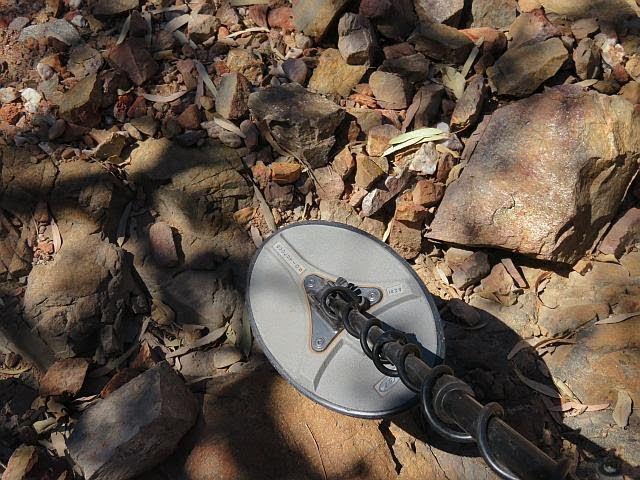
Gold prospecting is an exciting hobby, and a good metal detector can make all the difference between finding nothing and uncovering valuable nuggets. With numerous brands, models, and features available, selecting the right detector for your needs can feel overwhelming. This guide will help you understand what to look for when buying a gold nugget detector for sale.
- Determine Your Prospecting Goals
Before choosing a detector, consider what you want to achieve:
- Are you hunting small gold flakes or larger nuggets?
- Will you be prospecting in rivers, creeks, or dry land?
- Are you a beginner, intermediate, or professional?
Your goals will guide your choice of detector type and features.
- Understand Detector Types
- VLF (Very Low Frequency) Detectors:
- Best for small, shallow nuggets.
- Ideal for beginners and hobbyists.
- Lightweight and easy to use.
- PI (Pulse Induction) Detectors:
- Excellent for deep nuggets and highly mineralized soils.
- Preferred by professional prospectors.
- More complex and heavier than VLF units.
- Check Frequency and Sensitivity
- High-frequency detectors (18–71 kHz) are more sensitive to small gold.
- Lower frequencies penetrate deeper but are less sensitive to tiny flakes.
- Example: Fisher Gold Bug 2 (71 kHz) excels at detecting small nuggets.
- Evaluate Ground Balancing Capabilities
Gold-rich areas often have mineralized soil that can cause false signals.
- Automatic or manual ground balancing is essential to filter out mineral interference.
- Example: Minelab Gold Monster 1000 has automatic ground balancing, making it beginner-friendly.
- Consider Coil Size and Type
- Small coils (5–8 inches): Better for rocky or tight areas; detect small nuggets.
- Large coils (12–15 inches): Cover more ground and detect deeper nuggets.
- Matching coil size to terrain ensures more effective detecting. Choosing the right gold nugget detector for sale is crucial for efficient gold hunting.
- Think About Portability and Weight
Prospecting can involve long hikes or difficult terrain. A lightweight, ergonomic detector reduces fatigue.
- Example: XP ORX weighs under 2.5 pounds, ideal for all-day detecting.
- Budget and Warranty
- Entry-level detectors: $300–$700, suitable for beginners.
- Mid-range detectors: $700–$1,500, offering more features and depth.
- Premium detectors: $2,000+, professional-grade performance.
- Always check for manufacturer warranties and support to protect your investment.
- Buy from Trusted Sellers
- Purchase from official brand websites, authorized dealers, or reputable online retailers.
- Avoid deals that seem “too good to be true” to reduce the risk of counterfeit detectors.
- Accessories and Extras
- Headphones for better signal detection.
- Pinpointers for precise nugget recovery.
- Protective coil covers and carrying cases.
- Example: Many Minelab and Garrett bundles include essential accessories for beginners.
Summary
Choosing the right gold nugget detector requires balancing your prospecting goals, detector type, sensitivity, coil size, portability, and budget. Beginners benefit from lightweight, high-frequency VLF detectors, while professionals targeting deep, mineral-rich ground may prefer PI or multi-frequency units. Buying from trusted sellers and considering essential accessories ensures a smoother, more rewarding prospecting experience. With the right detector in hand, you can increase your chances of discovering gold and make every prospecting trip both productive and enjoyable.
